04. MEANING-MAKING
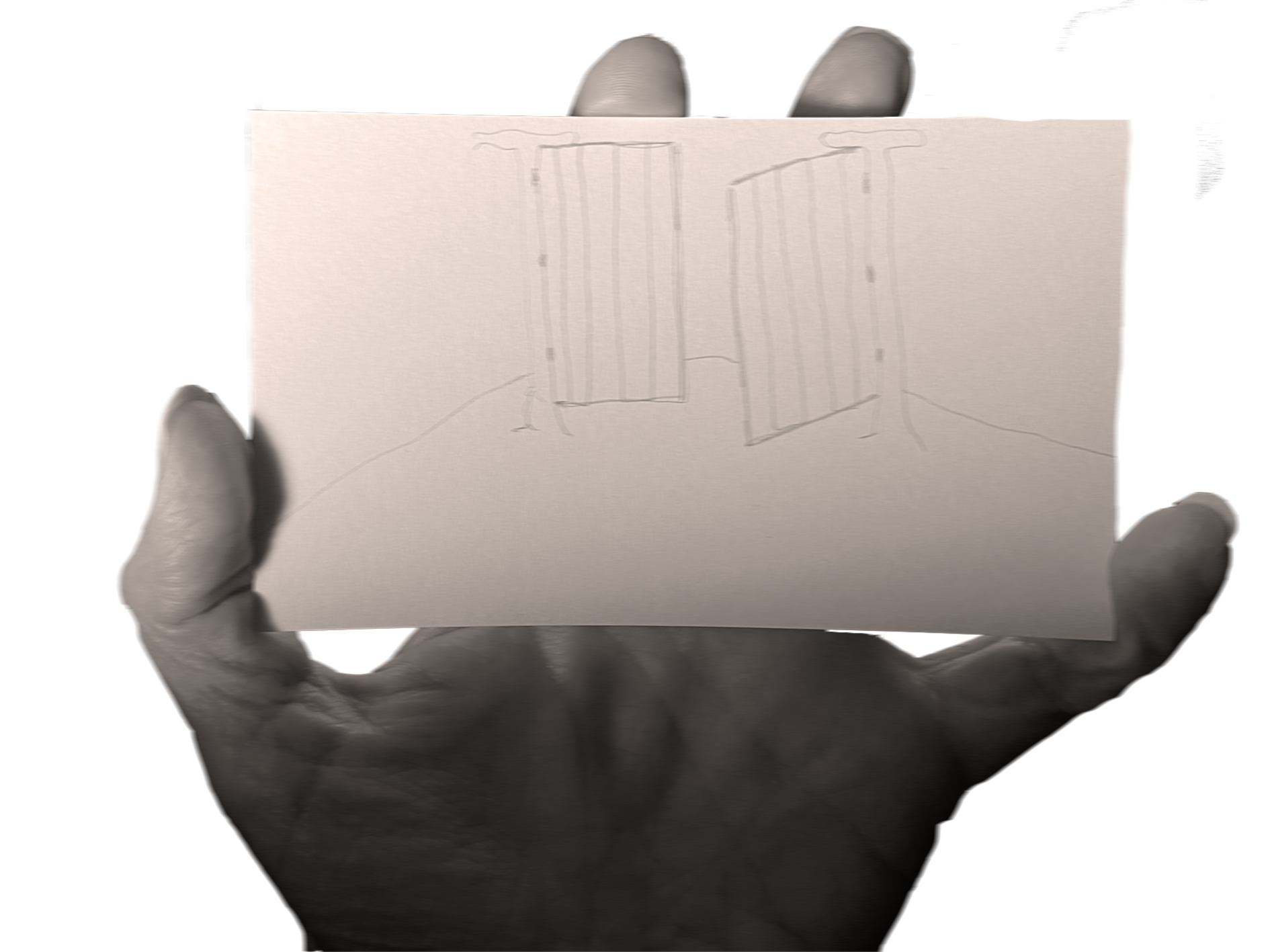
“Meaning is objective as well as universal...it indicates a possible interaction, not a thing in separate singleness.”
-
The 2024 Global Leadership Development Study (Harvard Business Publishing) says contemporary executives need to be adept at paradigms,patterns and paradoxes: ”to lead differently, people must first see differently."
However, with increasing regulatory, shareholder and geopolitical risk, many leaders are spending their time on compliance and administrative governance. Compliance ticks a box, but misses the interactions that make meaning. Interactions drive culture. Culture drives the actions and reactions that governance seeks to regulate.
The Global Human Capital Trends (Deloitte, 2025) report shows where people can "grow personally, use their imagination, and think deeply", organisations are 1.8 times more likely to report better financial results and 1.6 times more likely to provide employees with meaningful work.
-
Meaning is made on a journey. It fuels a difficult walk and sustains flow. This walk requires vision (strategy), and a pathway (execution) where patterns and challenges in the environment are able to be adapted to, not ignored.
When there is no site for meaning-making, compliance becomes a box to tick, not a healthy constraint. Control becomes something that is commanded, but drives behaviour underground. In the short time, this may work, but over the long term, it leaves colleagues stressed, burned out, and constantly “putting out fires”.
However, when the journey towards the organisation’s ‘north star’ is underpinned by meaning, attention is paid to interactions inside the box, and outside the box. Good governance reframes our relationship with the box and invites everyone to help deliver it.
-
The idea of interaction as the site of meaning was developed by the early pragmatists, including John Dewey who connected the disparate domains of governance, education and the arts as sites for meaning-making (Dewey, 1925).
More recently, Professor Mark Johnson outlined how this meaning-making and site interaction operates through embodied cognition. It is in the interactions of brain and body with the environment, that allow for abstract reasoning. “Human understanding is profoundly embodied…This perspective overthrows centuries of disembodied views that either deny or overlook the way our bodies, functioning within our changing environments, generate meaning, thought, and, I might add, values” (Johnson, 2015).
Every leader is involved in the practice of governance and site of meaning-making in their context. Governance co-regulates the interactions that occur between people, groups and environments. It is something we all experience, and it operates at every level of human organisation, from the self to organisations to society (Cutting & Kouzmin, 2011).
-
The challenge: A NFP board wanted clarity on its future strategy but had multiple opposing perspectives on the likely ‘north star’.
The intervention: In a series of workshops with board and senior management, several methods were deployed including an ‘archeological dig’ (Dorst, Frame Innovation), futures/backcasting and the co-creation of metaphor to describe the why (meaning) and the what (goal). Ideas were mapped to metaphors that enabled a nimble execution pathway.
The outcome: The embedded metaphor language of the strategy teased out deep patterns, and enabled leadership to coalesce and execute cohesively, despite an environment of uncertainty and ambiguity that was inherent to the organisation’s unique journey.